
Epoxy Garage Flooring
Your Garage Should Feel Like Part of Your Home
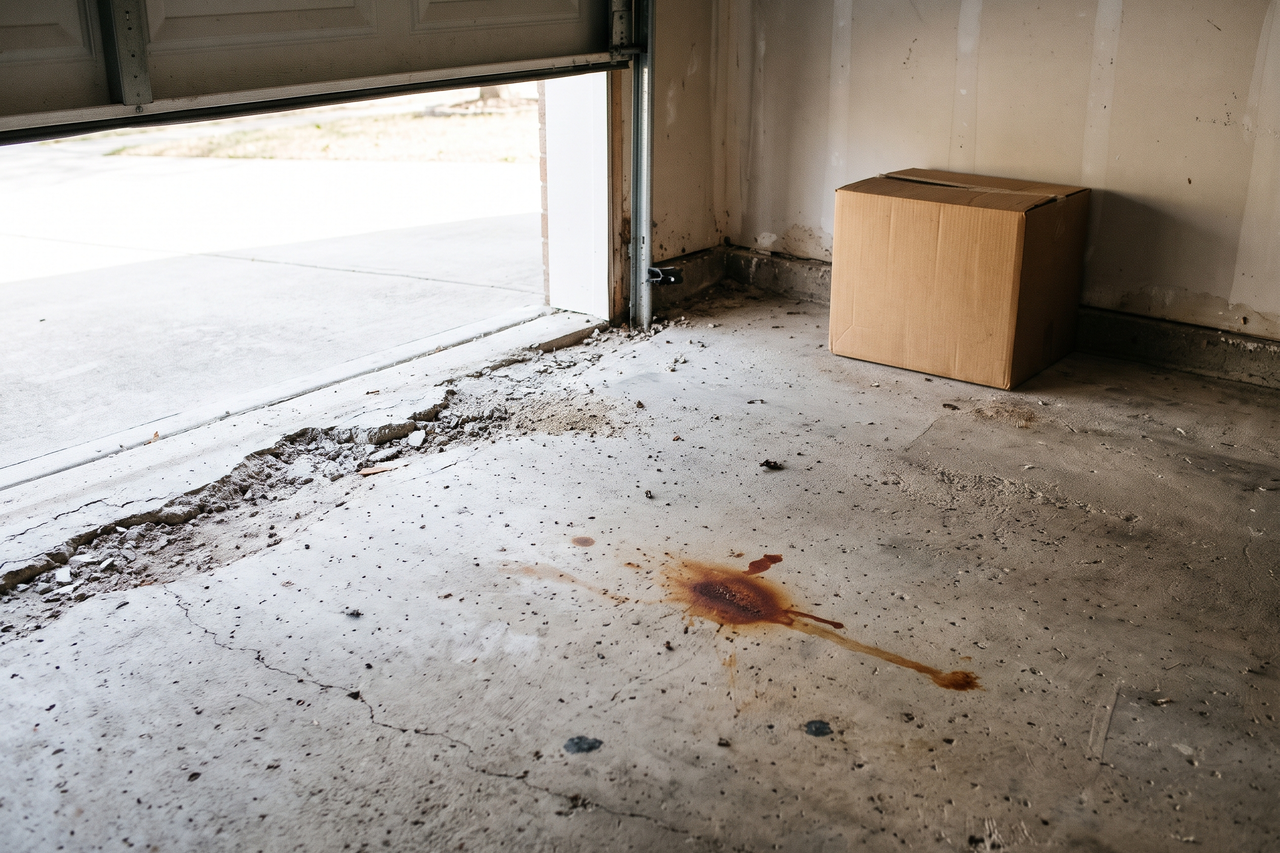
Garage slabs are poured for strength, not appearance, and everyday use shows on them. Engines leak oil and coolant, warm tires leave marks, and tools that slip off the bench chip the surface. With nothing protecting the concrete, every bit of that wear stays put and builds on itself.
Because bare concrete is porous, whatever spills on it begins to absorb. A drip cleaned up promptly can still leave a faint stain. The slab also sheds a fine, powdery dust that settles over stored bikes, bins, tools and anything kept near floor level.
A can of hardware-store floor paint seems like a simple solution, but lasting results take more than brushing paint onto unprepared concrete. Without grinding, the surface lacks the profile a coating needs to bond. Vehicle weight, shifting temperatures and hot tires pulling in all put stress on a weak bond, often earlier than the paint label implies.
You Don't Have to Know Which Garage Floor Coating Is Right
Garage coatings vary in much more than color and finish. A slab saturated by an old vehicle’s oil leaks, one with surface cracking, or one that takes direct afternoon sun calls for a different approach than a clean, newer floor in a shaded bay. Picking a product before anyone understands the concrete raises the odds of having to redo it.
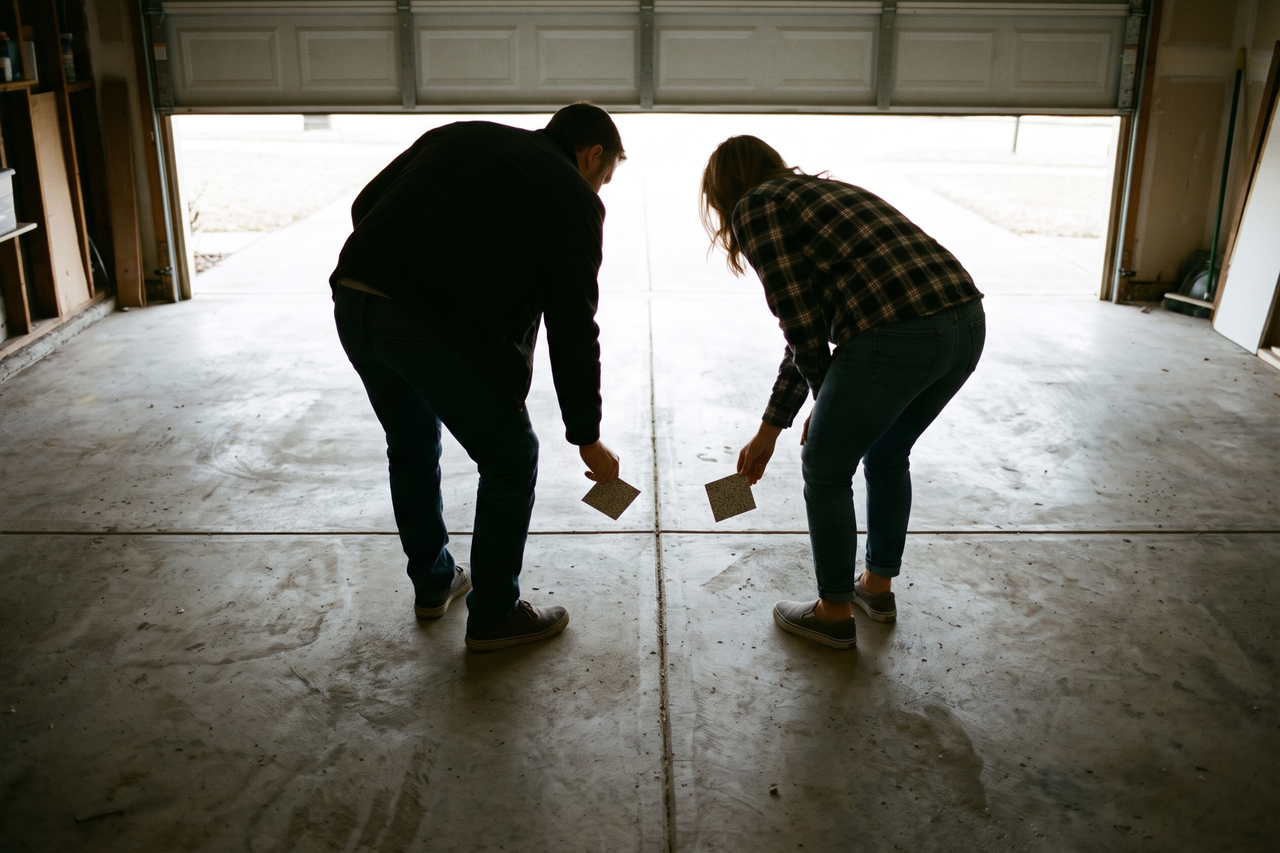
Your installer looks over the slab before suggesting anything: testing for moisture, noting damage that needs repair and checking for old sealers that could get in the way of adhesion. The findings from that visit narrow the choices a great deal. Flake systems suit busy floors where traction and a textured look both count. Metallic finishes are a good option when the floor itself is meant to stand out.
Your Garage. Your Style. Three Simple Steps.
01
Show Us Your Garage
02
Choose Your Floor
03
Come Home to a Finished Garage
Ready to See What Your Garage Could Become?
The Wrong Garage Floor Can Cost You Twice
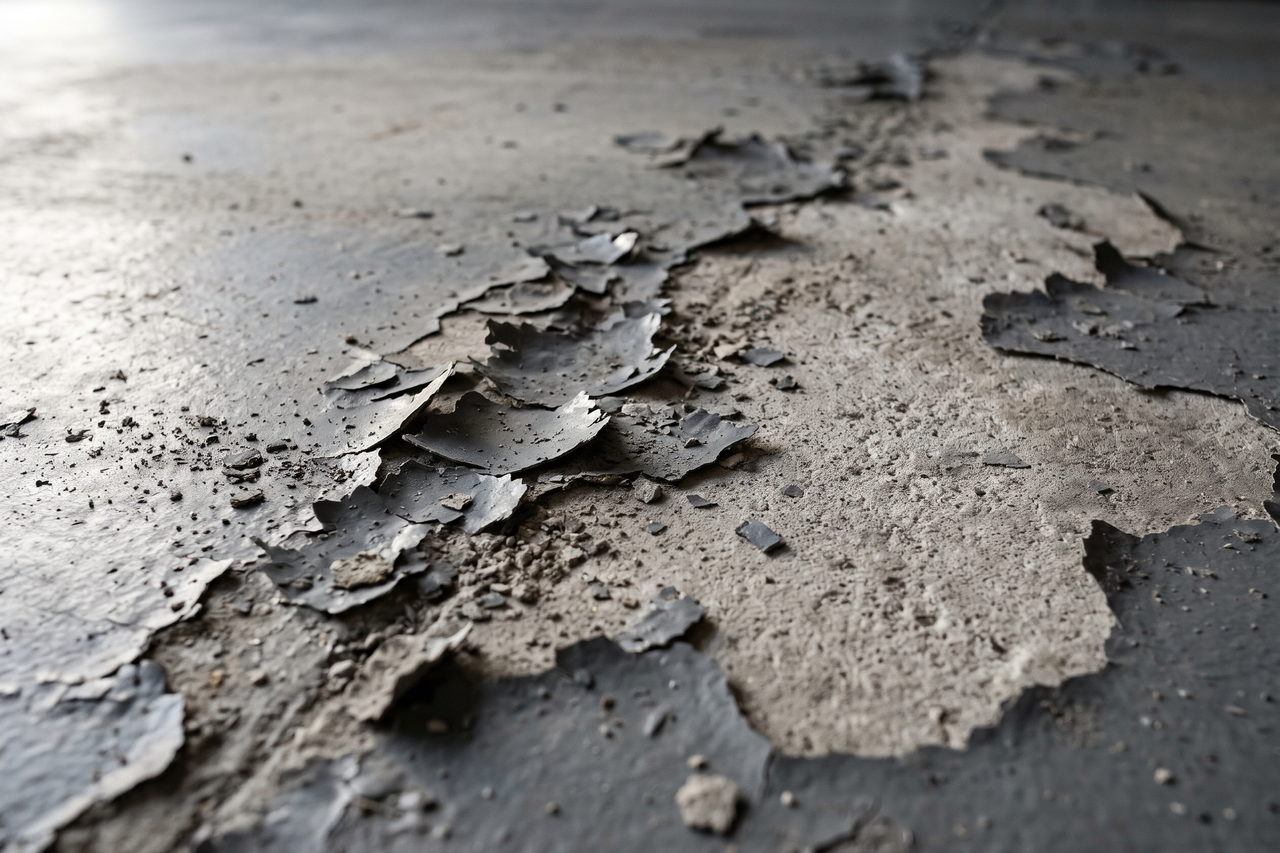
When a garage coating fails, the trouble usually started before the first coat. Moisture nobody tested, grease left on the slab, a product chosen with no regard for the concrete, or application in unsuitable temperature or humidity can all weaken the bond. Peeling along tire paths and lifting where weight concentrates are typical outcomes when those factors are overlooked.
Adding another layer over a failing coating doesn’t fix the underlying issue. Loose, delaminated material must be stripped back to clean, sound concrete before a new system can bond, and that removal is a project in itself, with its own labor and cost.
Thorough preparation and a system selected for the slab in front of you give a garage floor a far better chance of lasting. Cutting corners to lower the upfront price is a common reason a floor needs attention again much earlier than expected.
A Garage You're Proud to Come Home To
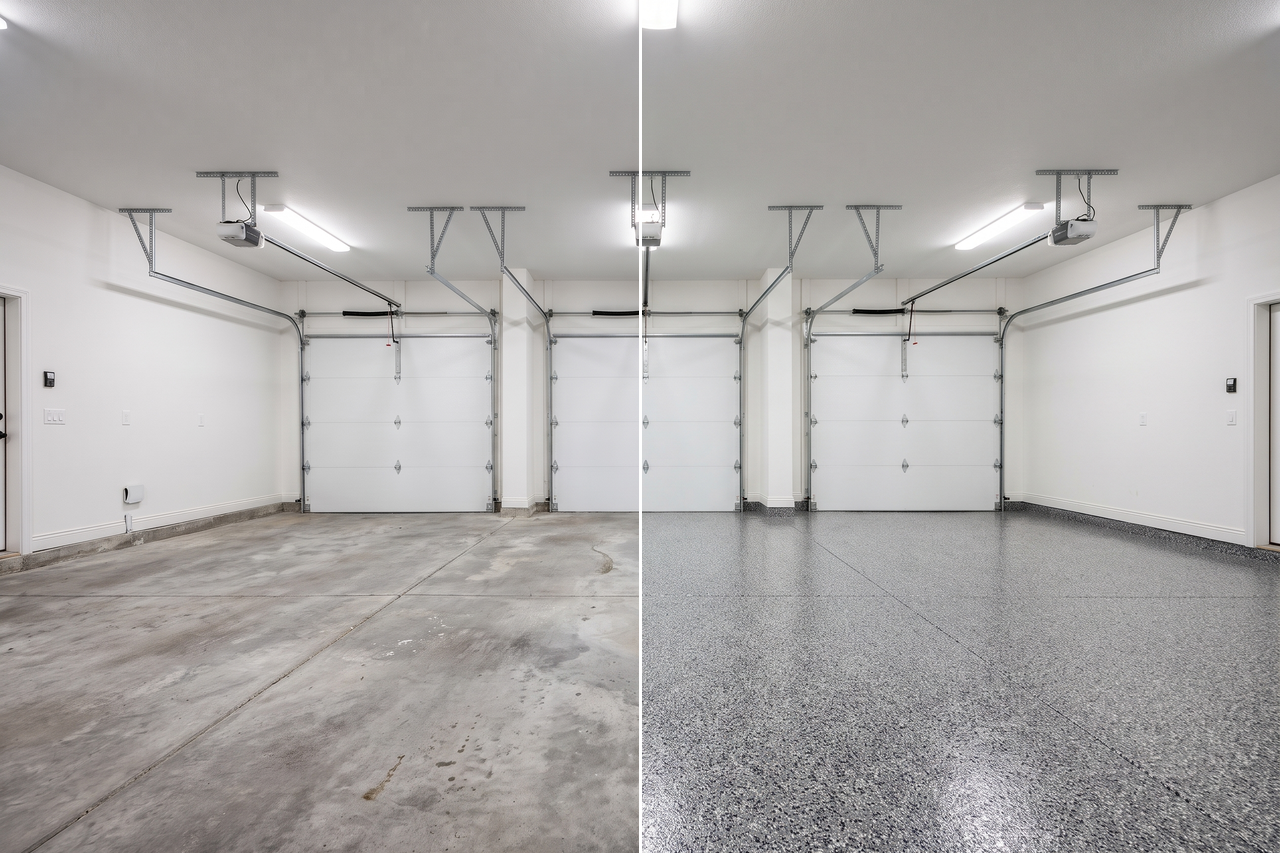
A properly installed coating changes how the garage works in daily life. Drips that would have stained bare concrete wipe off the surface. Dust coming off the slab is greatly reduced. The sealed finish handles scuffs and tracked-in grit far better than untreated concrete.
The payoff isn’t only cosmetic. Parking, storage and DIY projects all take place on a floor that makes each job easier instead of messier.
Consider all the jobs your garage does for your household: the vehicles and gear it holds, the projects you tackle there and how much traffic passes through. Those everyday patterns should shape the choice of coating and finish.
What Does Garage Floor Coating Cost?
Pricing for garage coatings varies widely. Square footage plays a part, along with the slab’s condition, how much prep is required, the finish you pick and the product itself. Solid color, flake and metallic systems each carry different material and labor requirements.
The number that counts is one built around your floor. A quote reflecting the actual state of your concrete and the finish you’re after is the one worth budgeting for.