
Polyaspartic Floor Coatings
Your Concrete Floor Shouldn't Be the Weak Point of Your Space
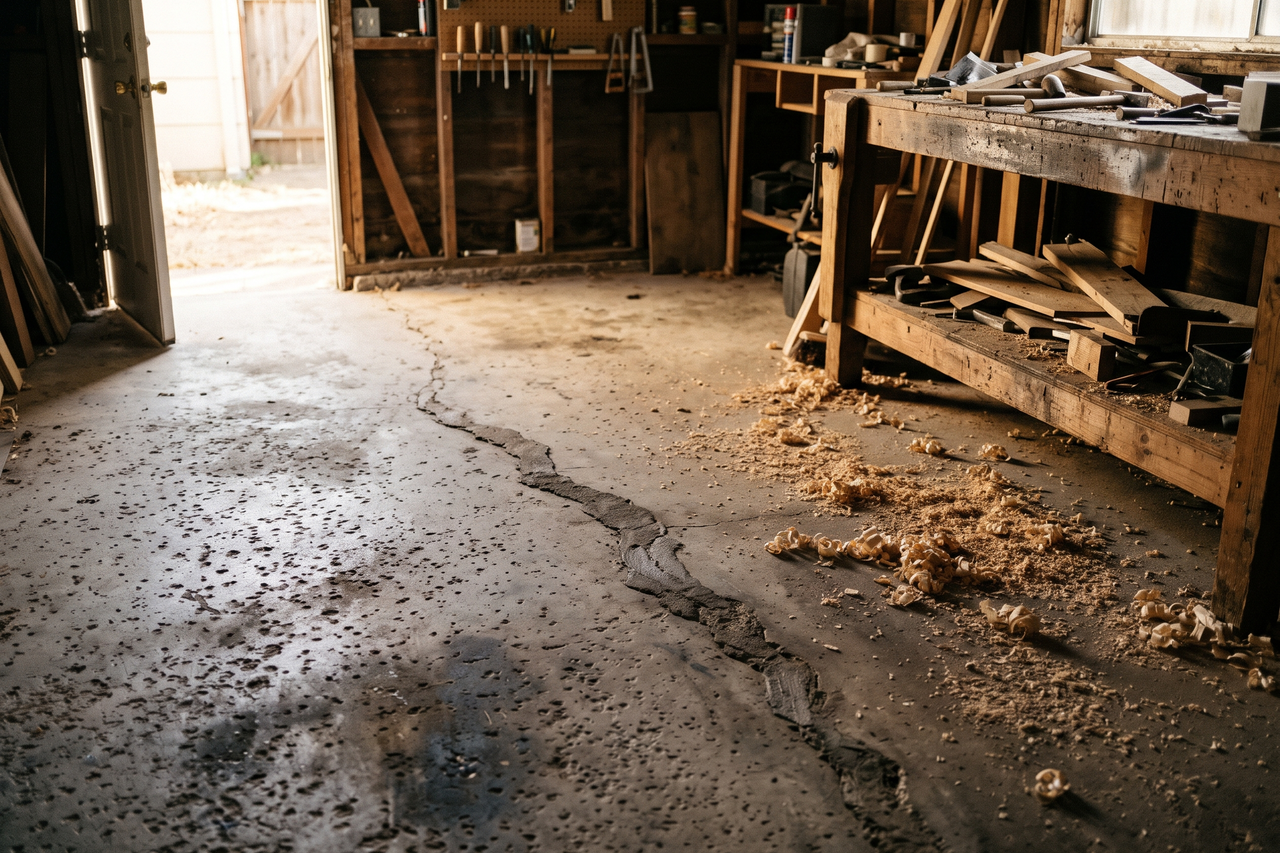
Unprotected concrete wears down quietly until the damage is obvious. Oil, vehicle fluids and household cleaners seep into its pores, and stains grow more stubborn the longer they are left. Tires, carts and work boots abrade the surface bit by bit, and moisture rising through the slab can undermine a coating applied later. Minor flaws often turn into repairs nobody planned for.
Coatings respond to that pressure differently. Certain epoxy products react to sunlight, so a floor beside an open overhead door or a wall of windows may gradually take on an amber or chalky cast that usually ends in a recoat. Others carry curing requirements that owners only fully appreciate after the choice has been made.
Putting a protective finish on concrete that sees heavy use usually pays off. The real question is which system fits this particular slab and its use, because that fit influences how the surface performs once daily traffic begins.
The Right Floor Coating Starts With How You Use the Space
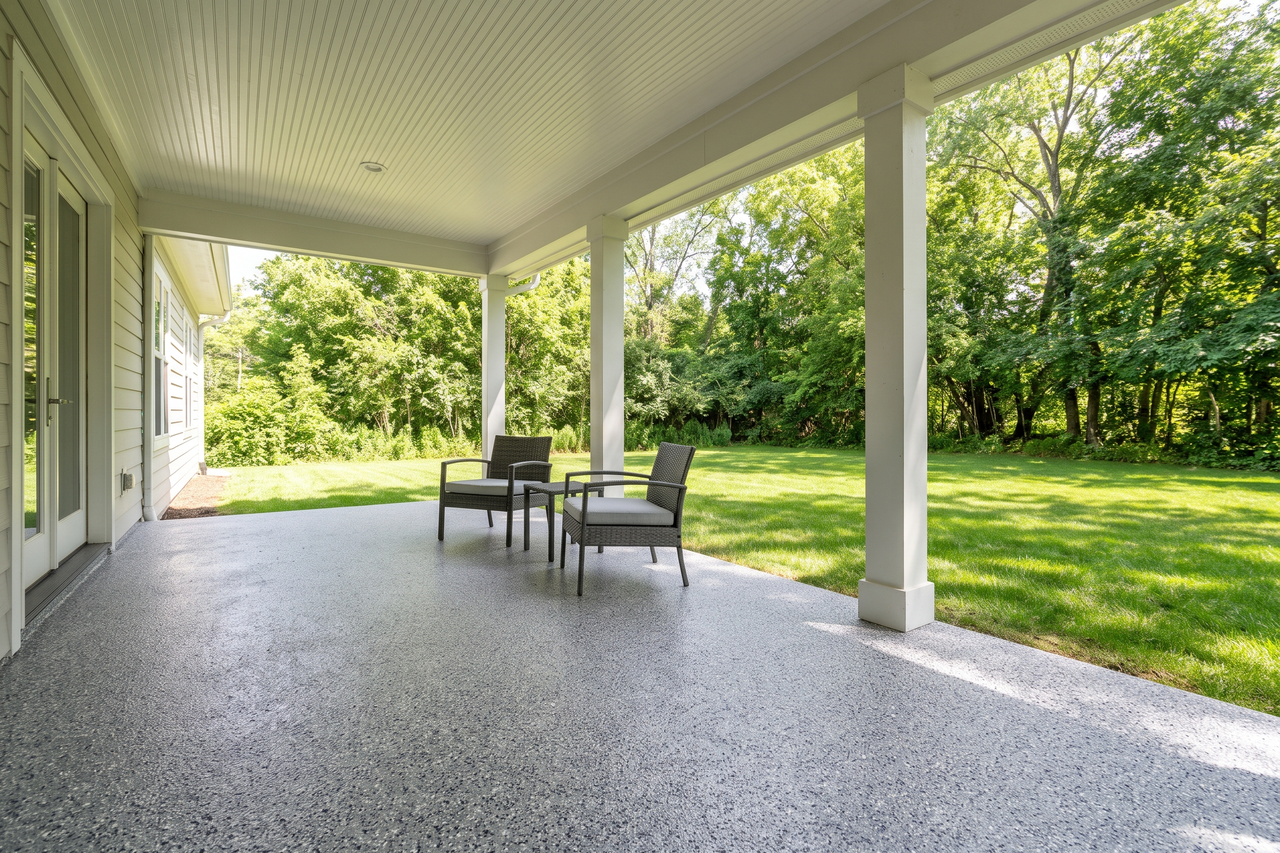
Polyaspartic earns attention for two qualities: stronger resistance to ultraviolet light than many standard epoxies and solid abrasion performance. It also generally cures faster than many traditional epoxy systems, which can influence how a project is planned. Those traits count most on floors that catch strong sunlight, surfaces cleaned often and, where an evaluation supports it, covered outdoor slabs.
Even so, it is not automatically the answer. The history of the slab, its moisture levels, the purpose of the room and the budget all shape the recommendation. Some floors are best served by an epoxy base under a polyaspartic topcoat, a pairing that can outperform either product used alone, and which approach fits becomes clear only once the concrete has been assessed.
The best advice comes from someone who has looked at your actual floor. For background before that conversation, the comparison guide below explains how polyaspartic and epoxy differ in everyday performance.
A Better Floor Is Easier Than You Think
01
Tell Us About Your Space
02
Choose the Right System
03
Transform Your Floor
Ready for a Floor Built to Perform?
A Great Coating Can't Make Up for Poor Preparation
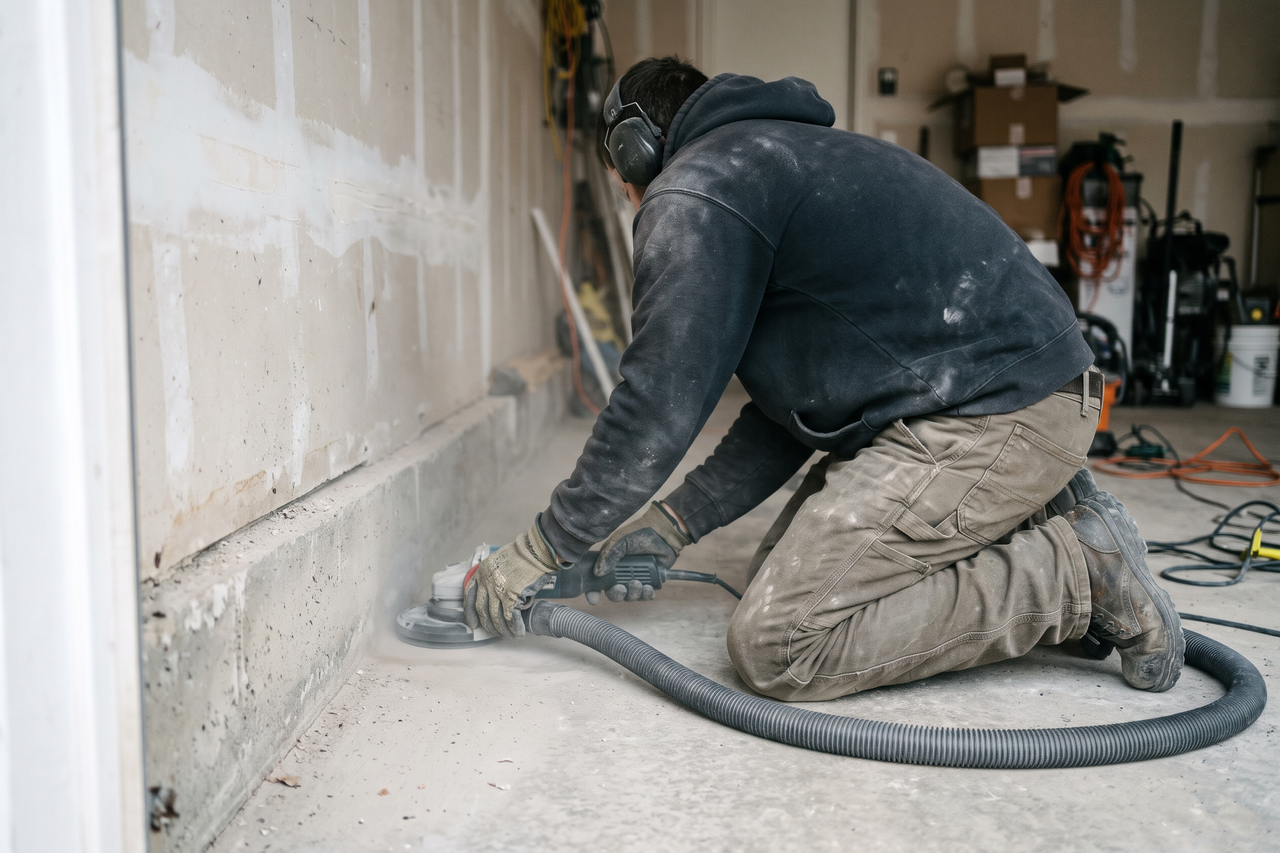
Polyaspartic does its best work on properly prepared concrete. That calls for mechanical profiling, a thorough cleaning and moisture testing. Leave any one of them out and the new finish ends up on concrete that struggles to hold a reliable bond, which puts adhesion behind from the start.
Since polyaspartic generally cures faster than many traditional epoxy systems, there is little opportunity to make corrections once the material is mixed and spreading is underway. The slab has to be completely ready before application begins.
Profiling the surface correctly, repairing damage and testing for moisture give the coating firmer footing. Premature peeling rarely has a single cause: preparation is often part of the problem, and slab moisture, product choice and the conditions during application play their part too. Getting all of them right from the start lays a better foundation for long-term performance.
A Floor That Looks Better and Works Harder
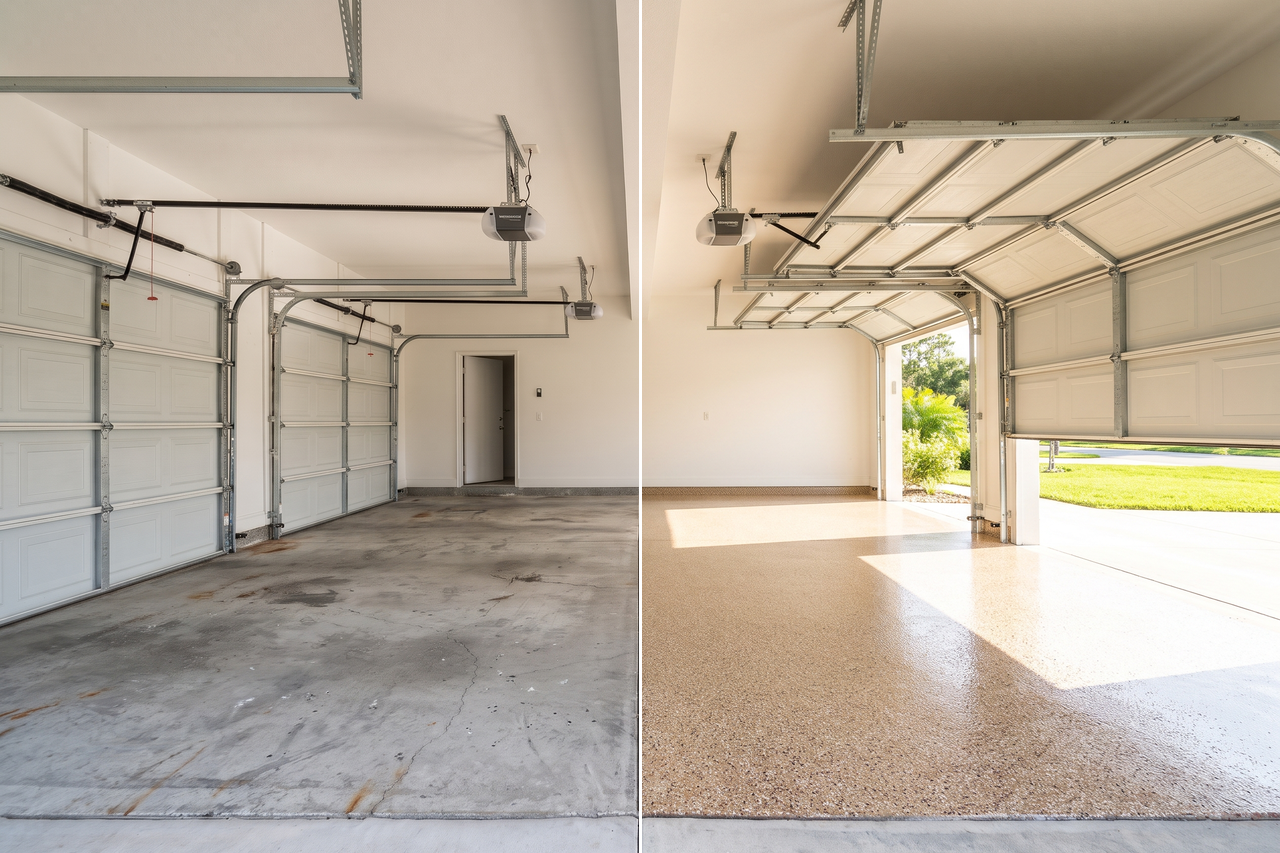
A slab sealed with polyaspartic tends to hold spills and dirt at the surface rather than absorbing them. Coolant, solvent drips and tracked-in mud clean up much more easily from a coated floor than from bare concrete.
A decorative flake broadcast brings color, depth and light texture that work in residential garages and lighter-use commercial spaces alike. Where slippery footing is a worry, your installer can include an anti-slip additive or specify a textured topcoat. The final build reflects what the space needs and the installer’s professional judgment.
Because polyaspartic generally cures faster than many traditional epoxy systems, it often comes up when scheduling is a consideration. The schedule for any floor depends on the project and the contractor; your installer lays out the expected timeline before work begins, taking into account the size and condition of the floor, the preparation required and the system chosen.
What Do Polyaspartic Floor Coatings Cost?
Polyaspartic pricing reflects the slab’s condition and the preparation it requires, the number of cracks or spalls to repair, whether the floor gets an all-polyaspartic build or an epoxy base finished with polyaspartic, the size of the floor and the finish selected.
Because concrete varies so much from floor to floor, a responsible price depends on seeing the slab in person. An accurate figure comes from the flooring professional once the space has been measured, its condition reviewed and the complete scope understood.