
Industrial Epoxy Flooring
Your Floor Takes the Abuse. Your Operation Shouldn't
Few slabs work as hard as an industrial floor. Pallet jacks and lift trucks follow identical paths from one shift to the next, wearing grooves into the busiest lanes. Machinery presses down on the concrete beneath it without a break, and any oil, coolant or process fluid that escapes the line soaks into whatever bare surface it finds.
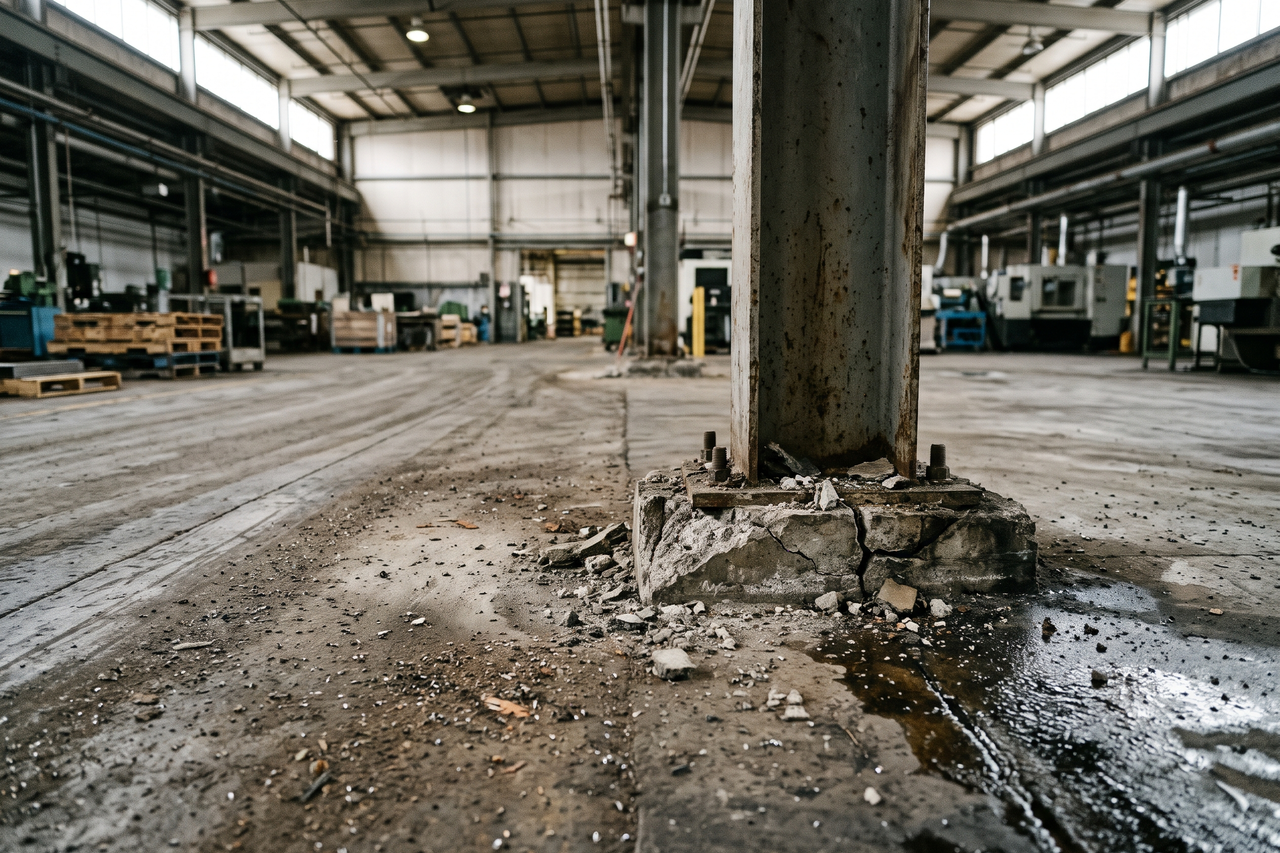
Uncoated concrete in a working plant can look acceptable at the start, but use catches up with it. Wheels scour the surface and loosen fine dust that drifts onto equipment and inventory. The zones with the heaviest traffic wear first, and the damage tends to widen from there. Where spills are frequent, stains settle deep into the concrete and stay put through routine cleaning.
Eventually a worn floor begins to shape how the work gets done. Operators slow down for rough spots and uneven joints. Cleaning takes more effort and accomplishes less as the surface keeps breaking down. Customers, inspectors and new hires notice the floor too, and they draw conclusions about everything else in the building.
Your Facility Determines the Right Flooring System
No two industrial coating systems behave alike. Build thickness, load capacity, resistance to abrasion and chemicals, and surface texture all differ from product to product. A system that serves one plant well can be a poor choice for the building next door, and the decision rests on far more than the way the slab appears during a walk-through.
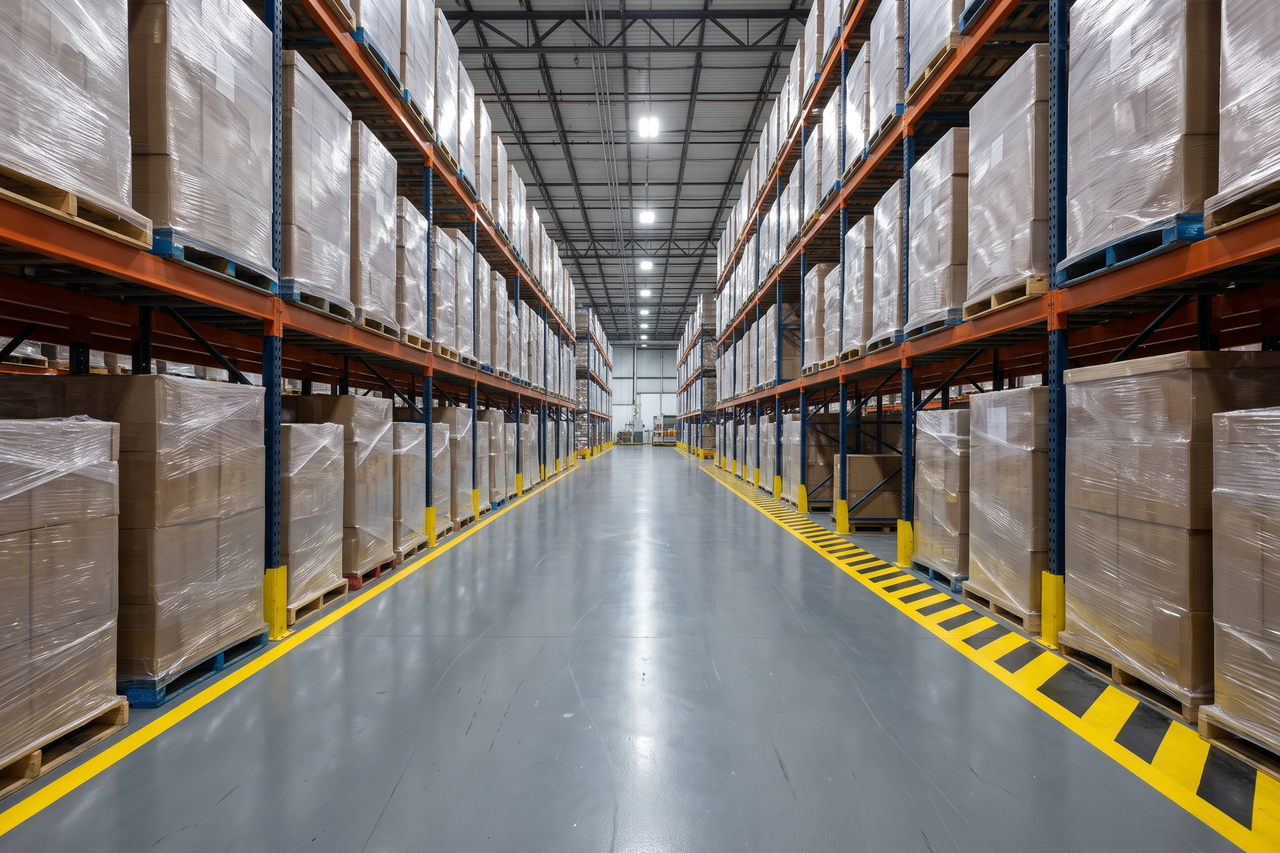
An industrial floor review looks at the whole operation: which vehicles and machines cross the floor, which chemicals reach it and in what concentration, the cleaning method and frequency, whether the slab sees large temperature changes, and whether aisle striping, hatched safety areas or textured surfaces should be part of the plan.
A cold storage room and a high-output fabrication shop ask completely different things of a floor. Moisture vapor rising through the slab, shifts in temperature, heat thrown off by equipment and the particular chemicals in use all affect what a coating needs to resist. Those conditions have to be studied on site before any product can be paired responsibly with the work the floor will do.
Built Around Your Facility. Not the Other Way Around
01
Evaluate the Facility
02
Build the Right Flooring Plan
03
Put Your Floor to Work
Need a Floor Built for a Tougher Environment?
Floor Failure Creates Problems Beyond the Floor
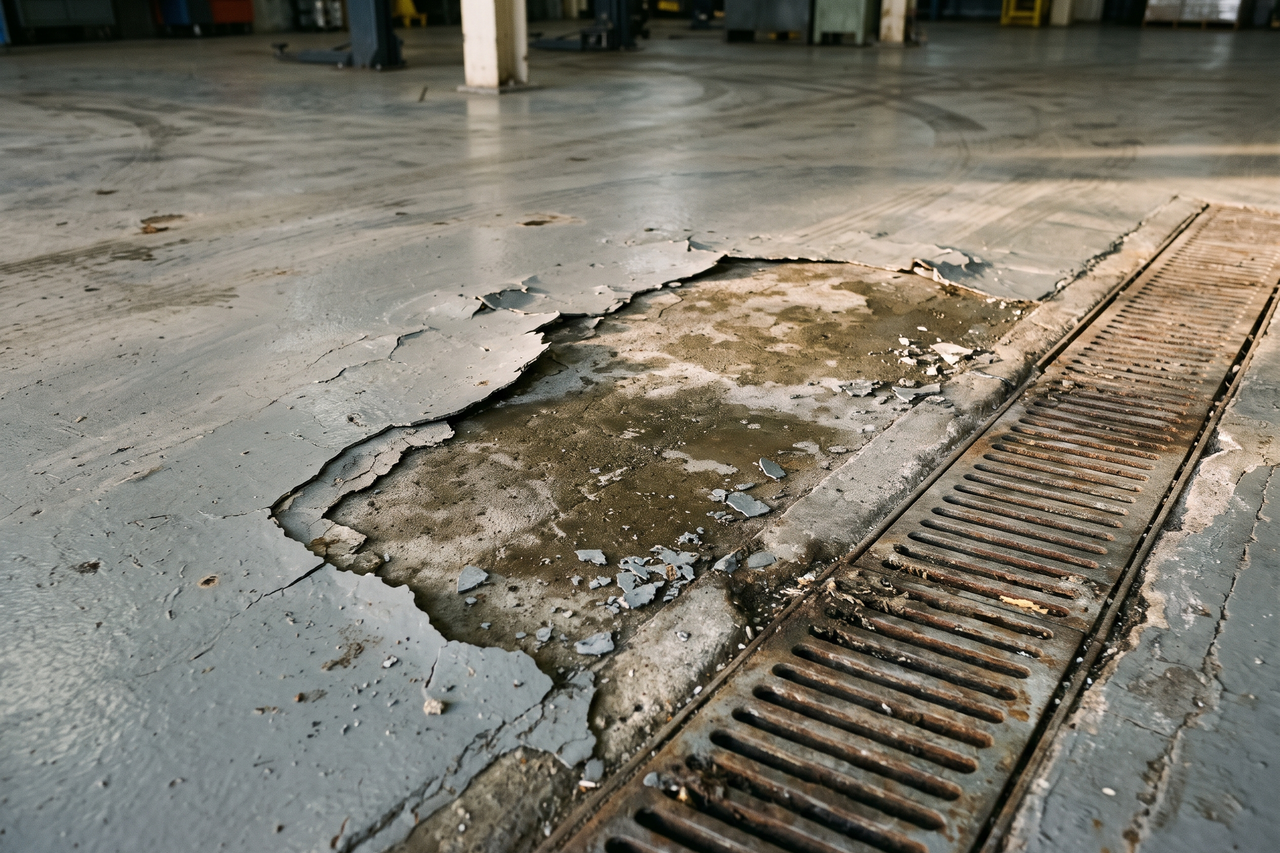
A coating that releases from the concrete seldom fails in just one spot. Broken fragments scatter into traffic lanes and collect around machine bases, turning a floor problem into a production problem. Sections that once ran without a second thought become areas everyone has to work around.
Concrete left bare by a failed coating is harder to bring back than a slab that was in reasonable condition to begin with. Ongoing exposure drives oils and contaminants deeper into the surface, and the exposed area often keeps growing while routine maintenance struggles to keep pace.
Most facilities underestimate what it takes to recover from a failed industrial floor. The space has to be emptied and taken offline, the failed coating stripped back to sound concrete and the slab prepared again so a correctly specified system can go down properly. The total often exceeds what a carefully planned original installation would have cost.
A Floor That Keeps Up With Your Operation
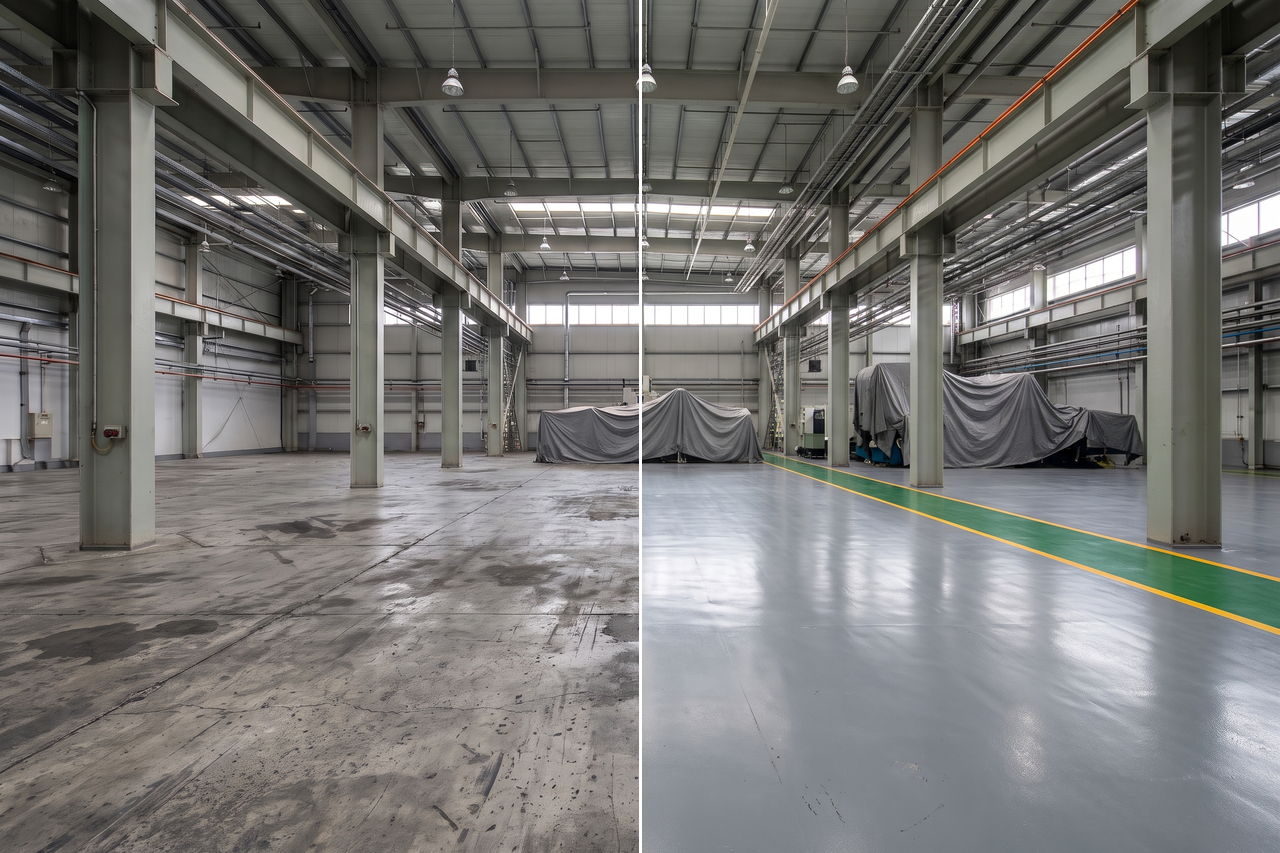
Choosing a coating for the facility’s real demands shifts how maintenance works. Traffic, washdowns and chemical contact land on a surface selected to handle them, not on porous concrete that soaks everything up. Cleaning crews get more done when the floor itself stops adding to the mess.
A sealed slab produces much less dust than raw concrete, which helps anywhere air quality and equipment care are priorities. The coated surface also bounces more light from existing fixtures, so production and storage areas can feel brighter with no lighting changes.
Depending on what the chosen system supports and what your installer recommends for the facility, aisle lanes, safety zones, directional arrows and slip-resistant textures can be included in the specification. When the floor is planned around how the operation runs, it supports the work instead of creating ongoing upkeep.
What Does Industrial Epoxy Flooring Cost?
The price of an industrial coating comes down to the details of the project: how much floor is involved, the condition of the concrete today, how much preparation and repair it needs, the build and resistance of the selected system, and whether line striping or slip-resistant texture belongs in the scope.
Floor area by itself is not enough to price an industrial job responsibly. Your installer examines the slab, reviews what the operation requires and considers the complete scope before putting a number on the work.